ORBIShttps://orbisreadingatlas.com/read/after-ten-million
Politics
After ten million
A megacity used to be an exception. The public record now has enough of them to compare the planning, not the skyline.
Lagos · Dhaka · São Paulo · 20 January 2026
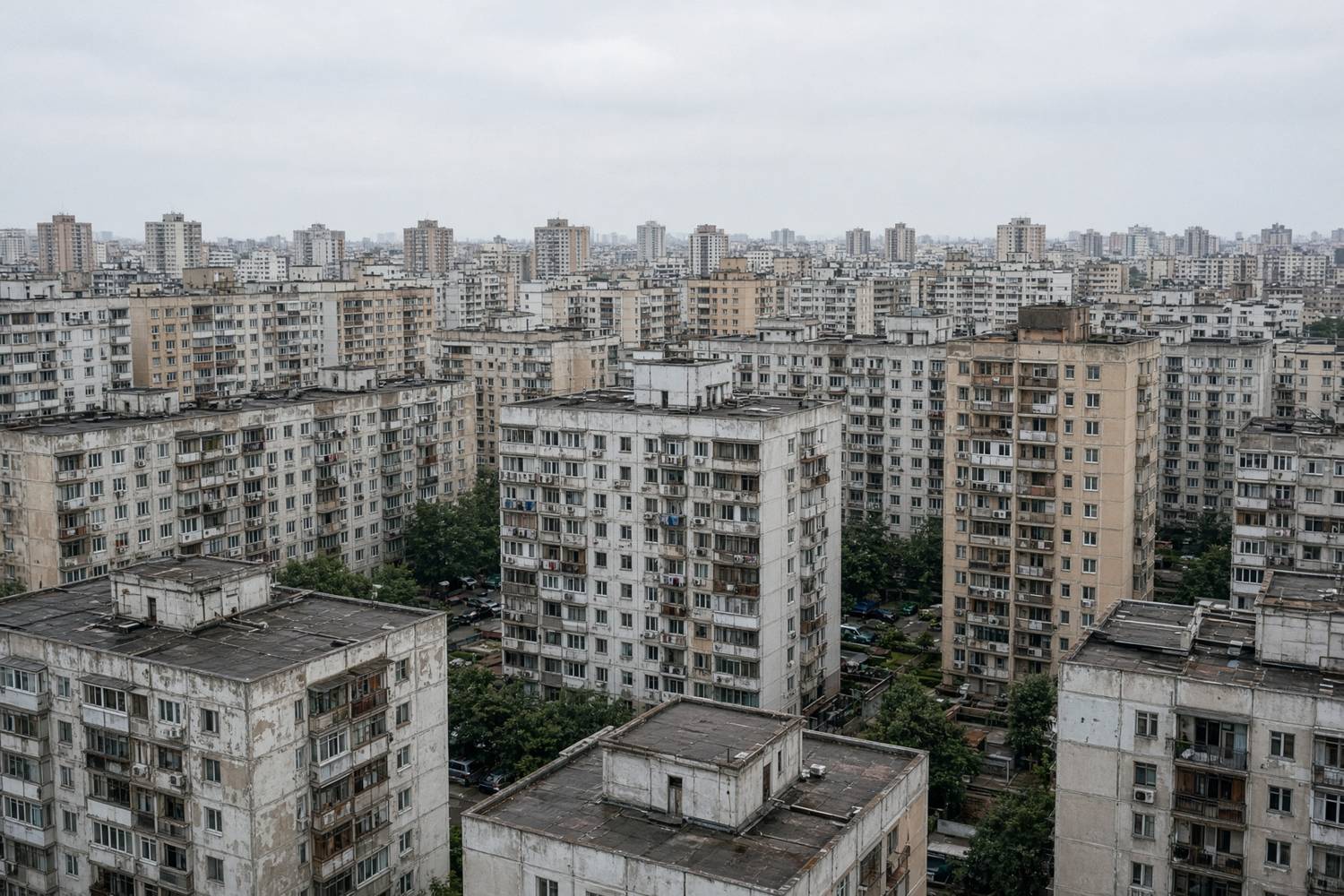
Once, "megacities" with populations over ten million were rare exceptions on the map; today, according to UN data, they form a class large enough to be compared with one another.source 1 Yet looking at glittering skylines or population tables tells us nothing about how those residents are actually housed. Data from institutions like the World Bank show how far official figures can disagree on informal settlements; a city may officially boom while the count of homes with actual services barely moves.source 2 What truly differentiates megacities is not the height of their towers, but whether their census and utility planning can keep pace with the people they encompass.
Related readings
Who keeps the clock?
Most governments now agree the twice-yearly clock change has outlived its use. They disagree on which hour to keep.
Politics·3 min read
Does migration move voters to the right?
Studies that follow where newcomers actually settled find an effect, but its size and even its direction depend on contact.
Politics·2 min read
Why the same heat kills more in some places
A heat wave is counted twice: by thermometers, and by the registers of deaths. Plans work on the gap between the two.
Health·3 min read
Comments
Loading…