ORBIS — The reading atlas.

This issue

Politics
2 min read
Does migration move voters to the right?
Studies that follow where newcomers actually settled find an effect, but its size and even its direction depend on contact.
Migration routes do not just rewrite demographics; they change the chemistry of the ballot box. But exactly how? The question usually gets lost in the noise of political polling; we find the answer instead in those quiet, experimental periods when the state, not the migrants, decided where people would settle.
8 October 2026

Politics
3 min read
Who keeps the clock?
Most governments now agree the twice-yearly clock change has outlived its use.
Twice a year, in the dead of night, when we move our clocks an hour forward or back, we are not really playing with time but with an illusion of our own invention. Most governments now agree that this artificial pendulum swing has outlived its usefulness. But the real quarrel breaks out when the question is asked:…
9 October 2026

Health
2 min read
How do city lights affect sleep?
Most people now live under a night sky that never fully darkens.
Most people now try to sleep under a sky that never truly darkens and whose stars are fading. A 2016 mapping found that over 80 percent of the world's population – and over 99 percent in the US and Europe – live under light-polluted skies, hiding the Milky Way from a third of humanity. From volunteers' reports between…
30 September 2026

Economy
3 min read
How many years does an earthquake cost an economy?
For most countries, national output recovers within a few years.
The bill for an earthquake isn't settled when the images of rubble fade from television screens; on the contrary, the real damage in the economy's capillaries begins that very day. The cost of collapsed bridges, pulverised factories and ruined ports – what we call "damage" – is merely the disaster's first face,…
7 October 2026

Health
2 min read
Bread on the table, and diabetes
What the grain has kept matters more than whether bread is eaten at all.
When it comes to bread on the table, what the grain has kept matters more than whether bread is eaten at all. The WHO notes that adults living with diabetes rose from about 200 million in 1990 to about 830 million in 2022; most have type 2 diabetes, closely linked to excess weight and low activity. Research separates…
6 October 2026

Economy
2 min read
Does consuming more mean living better?
Income and life satisfaction rise together, but each step buys less than the one before.
Does consuming more equate to living better? In 1974, Richard Easterlin noted a puzzle: within a country, richer people were happier, yet average happiness barely moved as countries grew wealthier – and a long argument about the meaning of growth began. However, research based on far larger surveys argues that…
5 October 2026
Science
1 min read
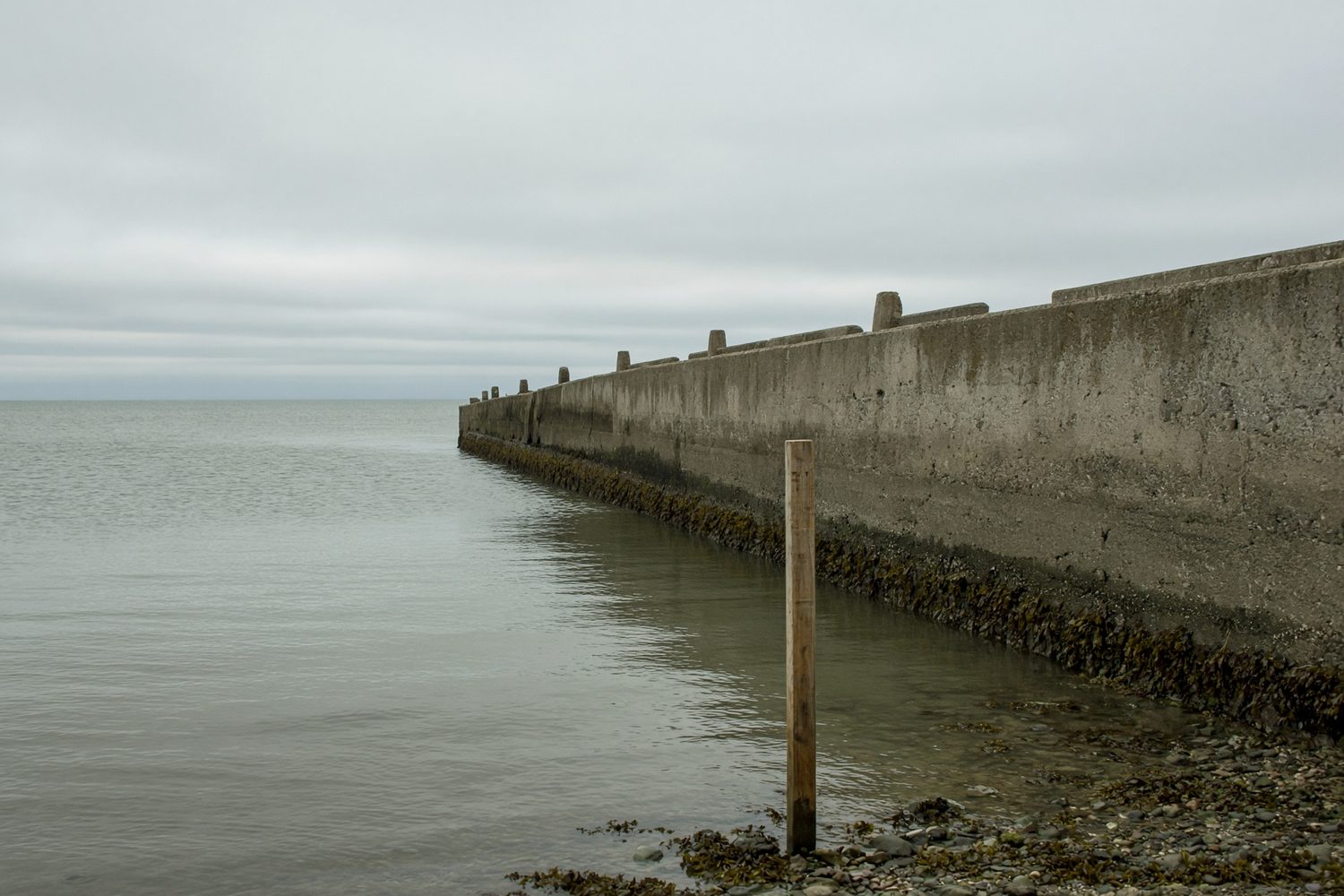
How is sea level measured?
A rise of a few millimetres a year is built from tide gauges, satellites and a correction for land that moves.
The sea is never still; tides and winds move its surface daily. The oldest tool, the tide gauge, records water height against land, with the Permanent Service for Mean Sea Level collecting such records since 1933. Yet land moves too, with coastal cities often sinking as groundwater is pumped out, so modern gauges are…
2 October 2026
Environment
1 min read
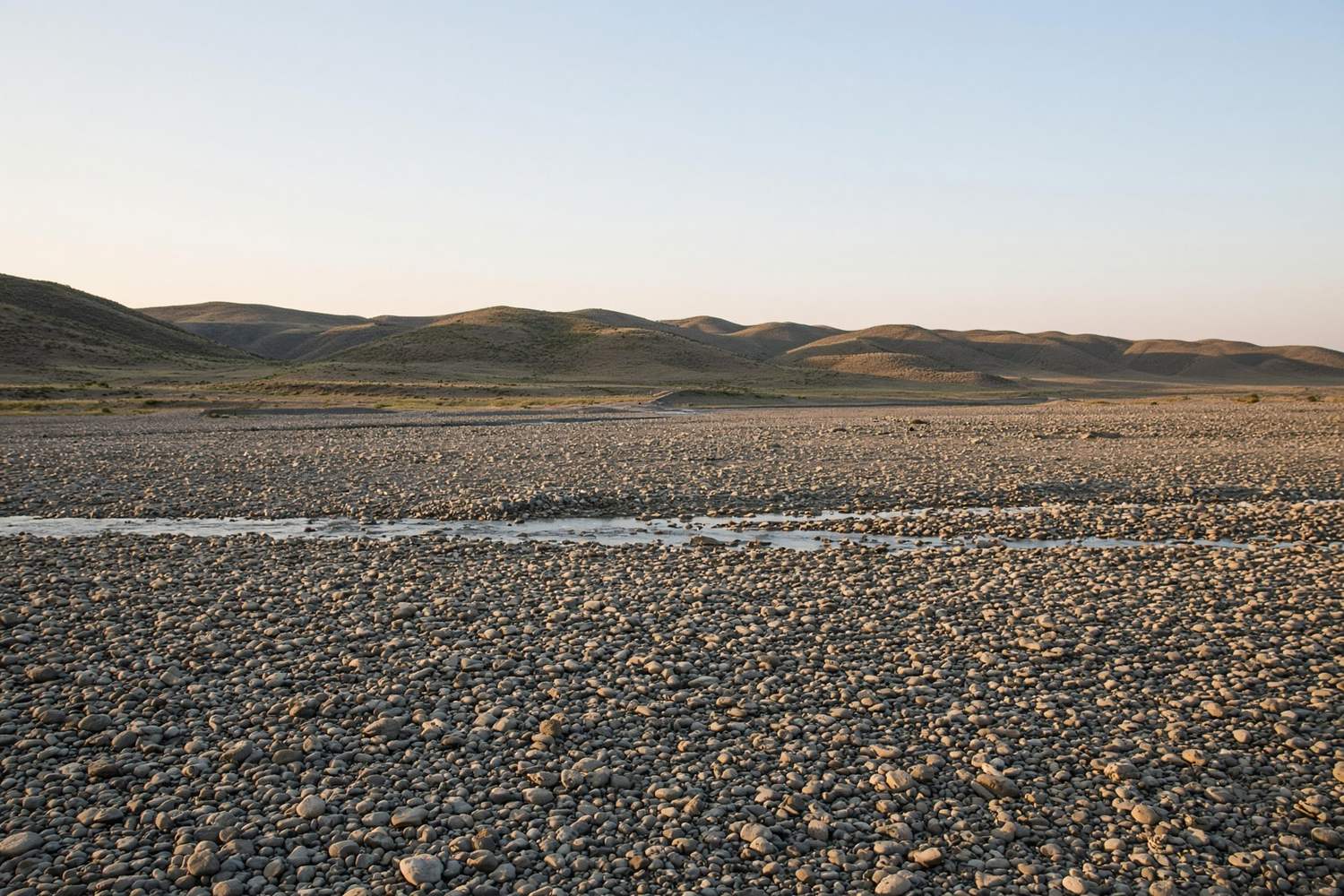
Why are rivers running dry?
Some of the world's great rivers no longer reach the sea for part of the year.
Some of the world's most magnificent rivers no longer reach the sea. Because its water is divided among seven US states and Mexico and nearly all of it is taken for farms and cities, the Colorado River has failed to reach the sea for most years since the 1960s. Similarly, massive diversions of the Amu Darya and Syr…
1 October 2026
Videos
Show all
From the archive
Previous issue
Health
2 min read
How do city lights affect sleep?
Most people now live under a night sky that never fully darkens.
Most people now try to sleep under a sky that never truly darkens and whose stars are fading. A 2016 mapping found that over 80 percent of the world's population – and over 99 percent in the US and Europe – live under light-polluted skies, hiding the Milky Way from a third of humanity. From volunteers' reports between…
30 September 2026
Technology
1 min read
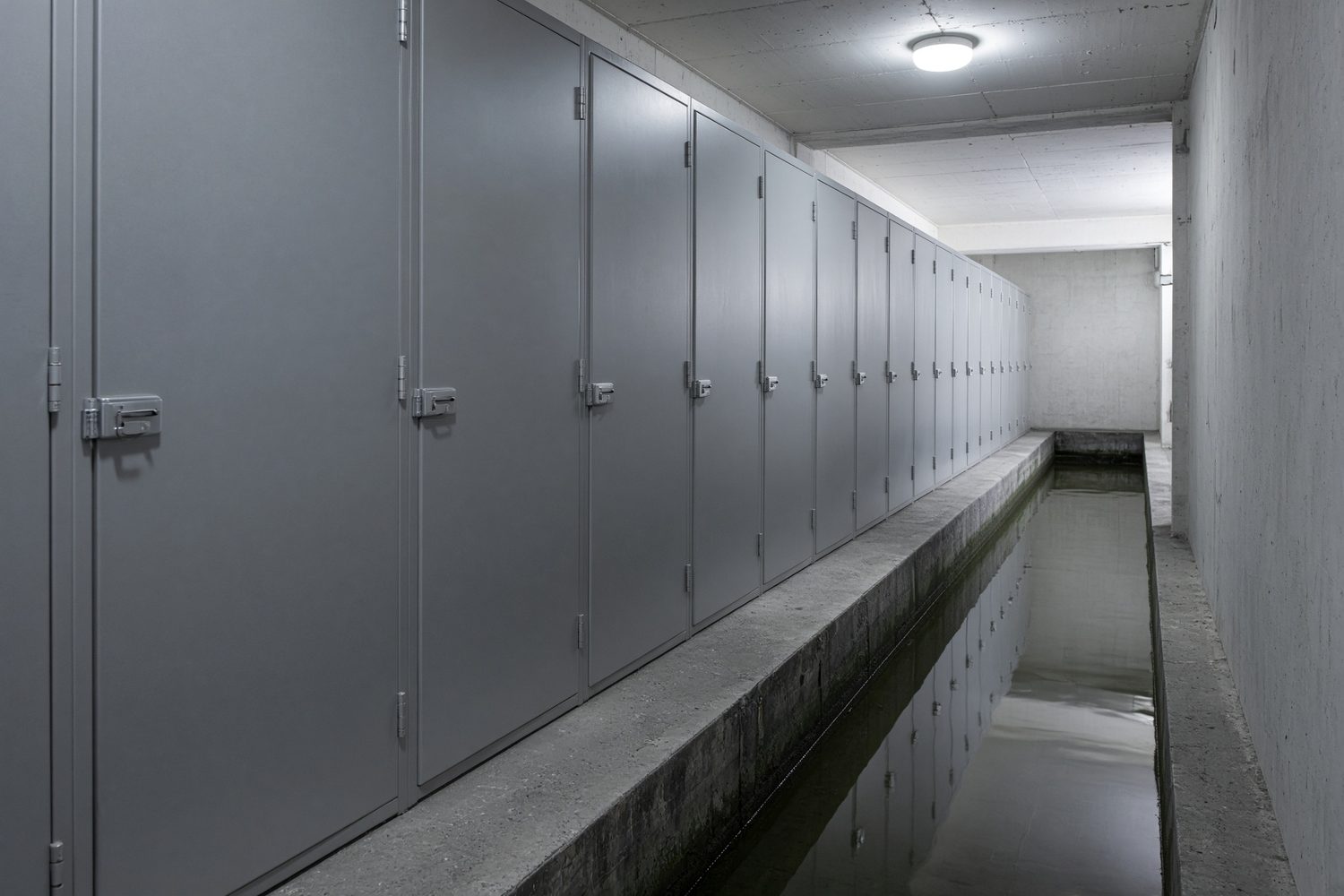
How much water do data centres use?
The answer has two parts: the water evaporated to cool the servers, and the water used to make their electricity.
The digital world and artificial intelligence possess an invisible thirst. Data centres are massive electricity users; the IEA estimates they consumed about 415 terawatt-hours in 2024 (1.5 percent of global electricity), a figure expected to more than double by 2030 as AI grows.
29 September 2026

Climate
1 min readListen
The carbon books, reconciled
National inventories and satellite measurements are being read against each other – not as a headline, but as an accounting problem.
In the climate crisis, national greenhouse gas inventories kept by governments serve as official, yet slow-moving ledgers of what is burned and released. Today, however, satellites in orbit measure methane plumes and changes in carbon dioxide, opening a completely independent set of books. Scientists use this data to…
12 March 2026
More readings

Culture
1 min read
Which languages keep the record
A public figure can be careful and still stop at the border of the language it was released in.
An official document released by the state is only as public as the borders of its language. From school guidance to census notes, any record published in a language not spoken in a city's homes is formally public but practically closed. UNESCO highlights this gap by noting that a large share of learners are not…
Earlier readings
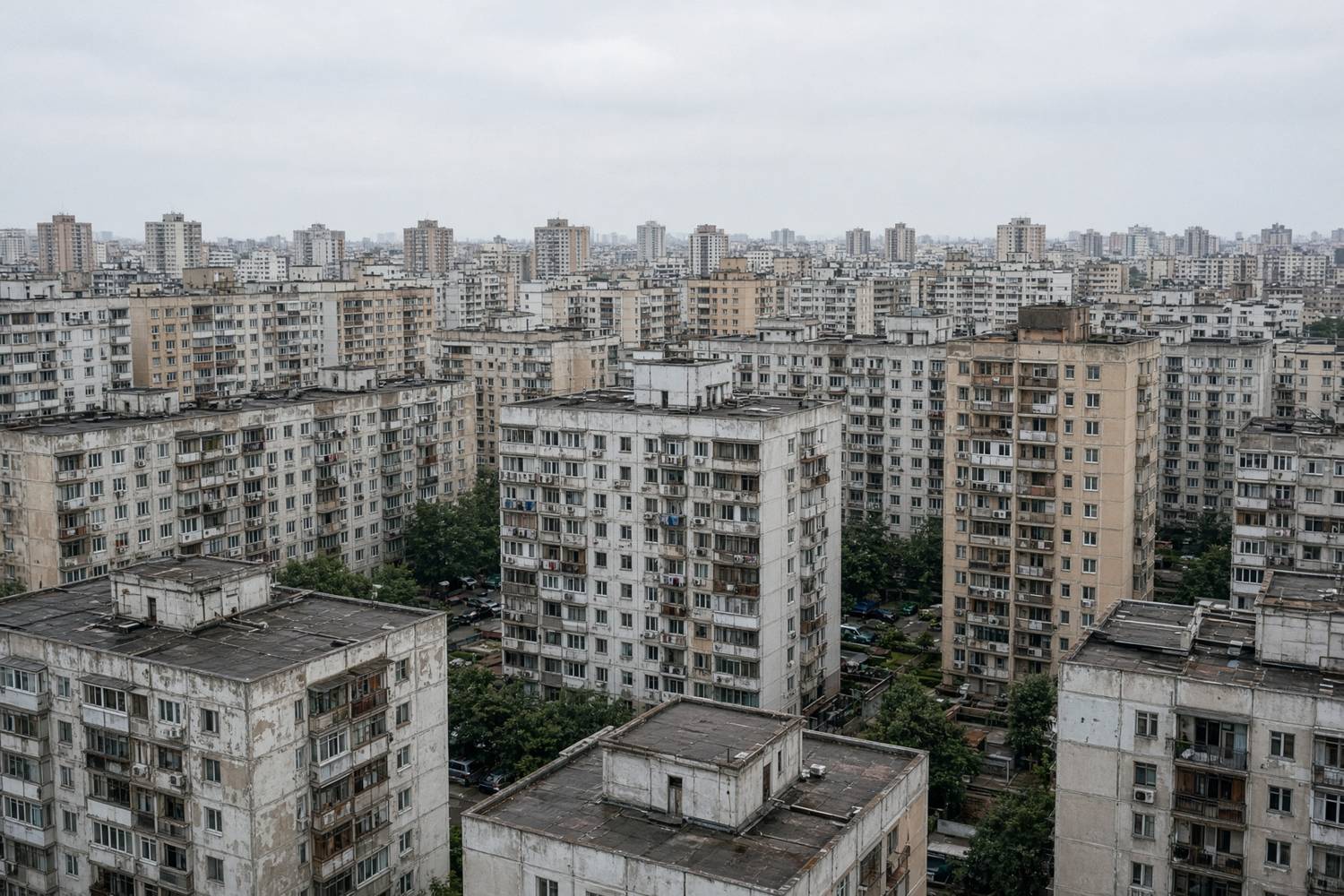
After ten million
A megacity used to be an exception.
Politics
1 min read
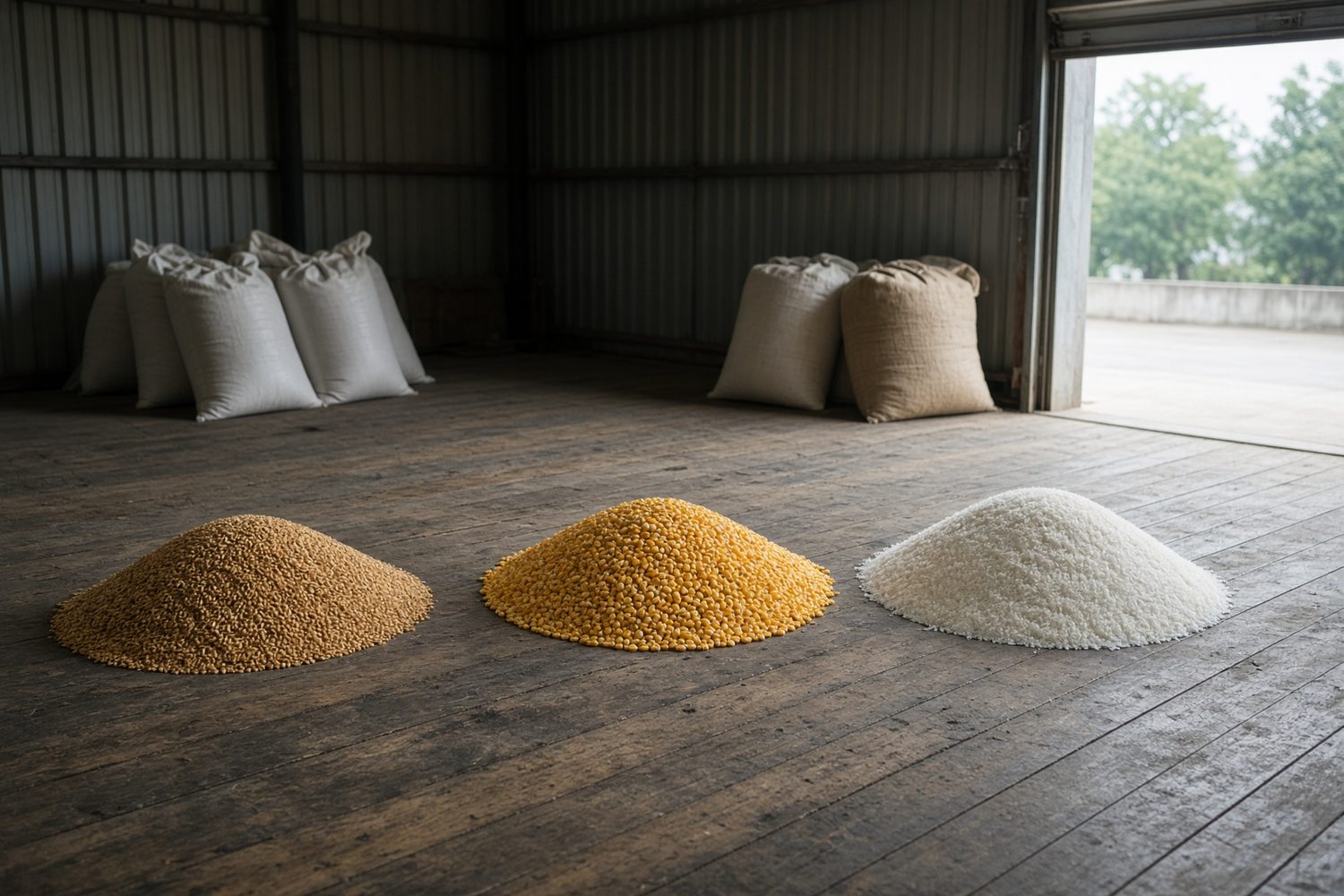
How grain actually moves
Wheat, maize, and rice cross borders as balance sheets before they cross them as ships.
Economy
1 min read
The register of trials
A study that never enters a public register is harder to find, and harder to count.
Health
1 min read
Previous issue
Technology
1 min read
How much water do data centres use?
The answer has two parts: the water evaporated to cool the servers, and the water used to make their electricity.
The digital world and artificial intelligence possess an invisible thirst. Data centres are massive electricity users; the IEA estimates they consumed about 415 terawatt-hours in 2024 (1.5 percent of global electricity), a figure expected to more than double by 2030 as AI grows.
29 September 2026
Climate
1 min readListen
The carbon books, reconciled
National inventories and satellite measurements are being read against each other – not as a headline, but as an accounting problem.
In the climate crisis, national greenhouse gas inventories kept by governments serve as official, yet slow-moving ledgers of what is burned and released. Today, however, satellites in orbit measure methane plumes and changes in carbon dioxide, opening a completely independent set of books. Scientists use this data to…
12 March 2026
More readings
Culture
1 min read
Which languages keep the record
A public figure can be careful and still stop at the border of the language it was released in.
Read moreAn official document released by the state is only as public as the borders of its language. From school guidance to census notes, any record published in a language not spoken in a city's homes is formally public but practically closed. UNESCO highlights this gap by noting that a large share of learners are not…
Politics
1 min read
After ten million
A megacity used to be an exception.
Read moreOnce, "megacities" with populations over ten million were rare exceptions on the map; today, according to UN data, they form a class large enough to be compared with one another. Yet looking at glittering skylines or population tables tells us nothing about how those residents are actually housed. Data from…